As part of the PGCert unit we were introduced to the concept of OBL, it’s a simple yet powerful method of learning based on a physical object. We had to deliver a little 20 min teaching session in this teaching style.
Session Plan:
- 2 min introduction (Origami in the context of learning algorithms)
- 2 min introduction to activity (Handing out papers/ explaining)
- 15 min activity ( 7 min making a given origami design and 7 min trying to explain it to another colleague, relating it to the theory).
- 1 wrapping up – re-interesting the practical and the theory.
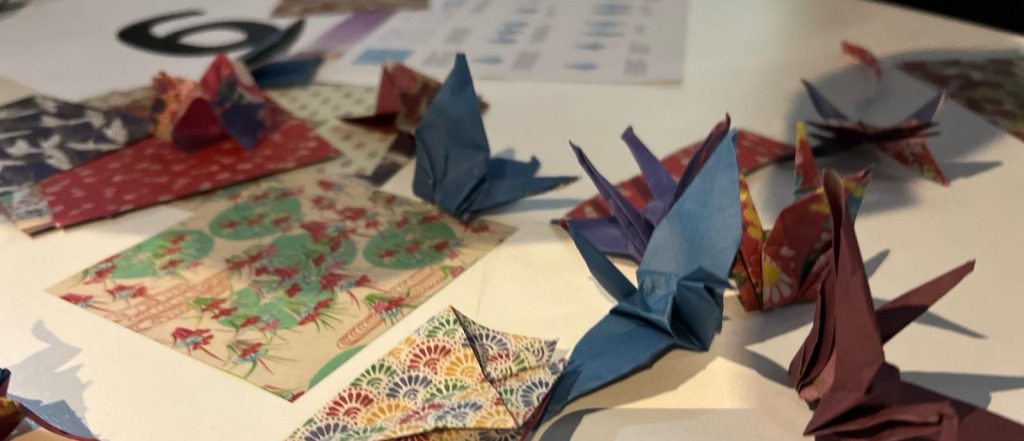
For my session, I chose to use origami as a way to explain the concept of an algorithm. When teaching games design, it is easy to overwhelm students with computer-science terms – and of course- it can feel like it’s hard to study topics like programming without understanding what these terms mean and how they are applied. However, I have been using OBL methodology for many years now, to familiarize students with abstract concepts in a tangible way. When I introduce programming, I let my students fold an origami (usually a crane from instruction sheet) – as it starts as a square piece of paper, the instructions must be complete in the particular order to have a desired output. This helps the students to have an analogy, and build some expectations before we jump into programming. As programs, are a set of instructions(algorithms), that start from a blank documents, by following or designing instructions in a certain order we are able to have different outcomes (programs). I also find, having origami in my sessions, can make students feel more relaxed and inquisitive as we’re doing something playful that provokes a friendly conversation. Additionally, origami is an environmentally friendly way of creating game assets for physical prototyping, which can be re-used in many different ways.
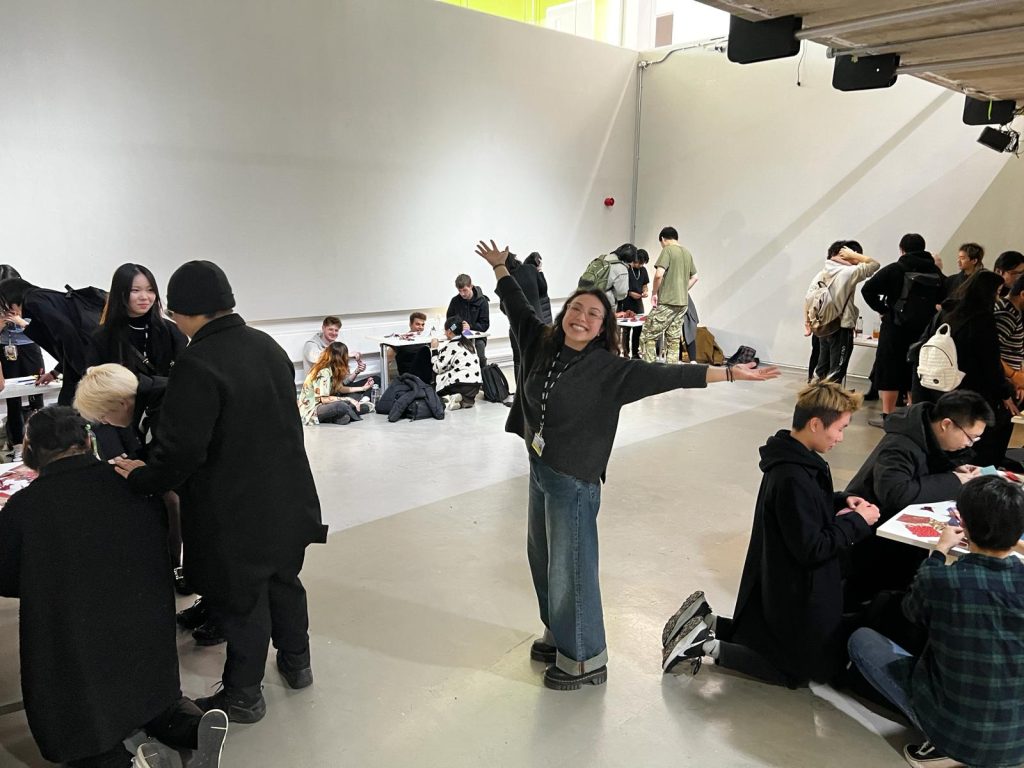
The session mostly went as planned, the only issue was that I was prepared to teach 6 colleagues. But after the break 4 more joined us, so we had to spend some time rearranging the tables and accommodating others. It wasn’t too disruptive, but newly joined colleagues, were a little bit hard to get on board at start – as they missed the first half of day- and did not know what to expect. Once they understood that we’re doing a simple and playful exercise that has some theory behind it, I’d say they all got involved and asked good questions.
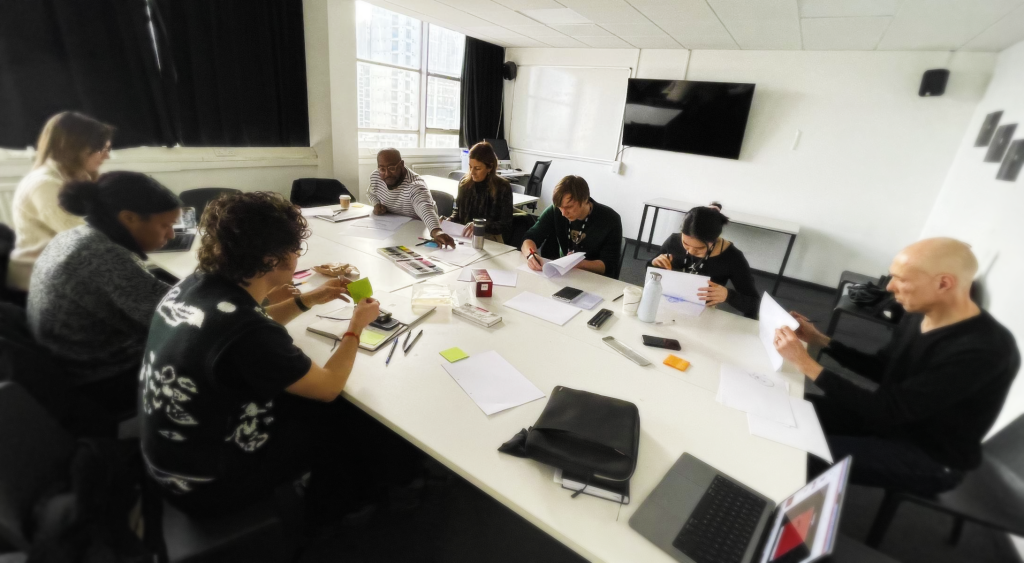
In the PGCert class, I was able to see how other lecturers deliver OBL, which was absolutely fascinating, I have learned a lot of different things, and I was very surprised to see how different approaches have their unique advantages. I think, my main reflection on OBL and our teaching session, is that the lecturer must maintain some structure while presenting and talking about something thought-provoking and conversational. It’s important that- the students have something to take from the session that is concrete.
Reference:
Hardie, K. (n.d.). Innovative pedagogies series: Wow: The power of objects in object-based learning and teaching. [online] Available at: https://s3.eu-west-2.amazonaws.com/assets.creode.advancehe-document-manager/documents/hea/private/kirsten_hardie_final_1568037367.pdf.