As I am researching papers for PgCert, I wanted to reflect on the paper we were given plus examine into my own educational experiences. One paper, focusing on the Soviet Union’s involvement with Mozambique in the 1980s, particularly resonated with me. The text described how the Soviet Union’s support in education, while beneficial in creating a technocratic elite, also required the adoption of Soviet standards and values. This narrative mirrors my educational journey, from a Soviet-influenced system in Latvia to a more liberal approach in the UK, offering a unique lens to evaluate effective pedagogical practices.
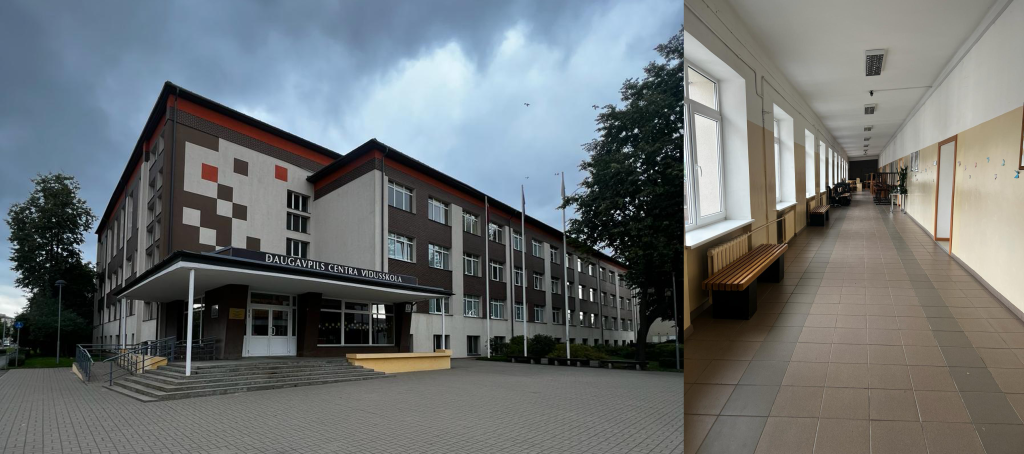
Growing up in Latvia, a country which gained independence from the USSR in 1991, I experienced firsthand the lingering Soviet influence in education. My early education was predominantly in Russian, with a curriculum heavily weighted towards Russian literature and art. In the early 2000s, a shift occurred as Latvian became the medium of instruction. This transition was not just linguistic but ideological, moving from a focus on objective realism to a more liberal, Euro-centric curriculum. As students, we found this change uncomfortable yet positive, marking a clear departure from Soviet methods.
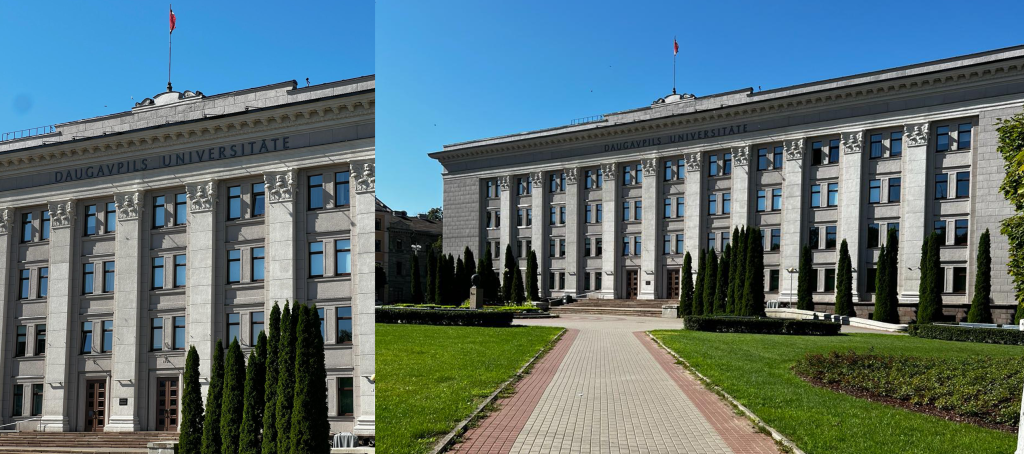
Reflecting on this transition, I recognize the value of both educational styles. The Soviet system’s emphasis on technical skills in subjects like mathematics and science provided me with a robust foundation. However, its limitations were clear: a lack of focus on critical thinking and creative exploration. The shift to a more liberal approach introduced flexibility and encouraged individual expression.
This duality of educational experiences has profoundly influenced my understanding of effective teaching. In my current role as an educator, I strive to balance these approaches. The rigor and structure of the Soviet system can be valuable, especially in laying a solid foundation in core subjects. Yet, the liberal method’s emphasis on creativity and critical thinking is crucial for fostering well-rounded, independent learners.
Through this course, I aim to further explore and refine this balance. The principle of constructive alignment, ensuring educational outcomes align with overarching aims, resonates with my objective to create a learning environment that is both structured and adaptable. I believe this approach can lead to more equitable outcomes, addressing diverse student needs while maintaining high academic standards.
In conclusion, my educational journey from a post-Soviet state to the UK has offered me a unique perspective on the interplay between political, cultural, and educational paradigms. As I progress through the PgCert, I am keen to delve deeper into how these experiences can inform a teaching practice that is both rigorous and empathetic, meeting the evolving needs of a diverse student body.
Reference:
Savage, P. (2022). ‘The New Life’: Mozambican Art Students in the USSR, and the Aesthetic Epistemologies of Anti‐Colonial Solidarity. Art History, 45(5), pp.1078–1100. doi:https://doi.org/10.1111/1467-8365.12692.