In my recent reading of a paper on online learning in art and design education, I explored the rapid shift to online teaching prompted by the COVID-19 pandemic. This shift, while abrupt, offered insights into both the strengths and challenges of online pedagogy, especially in my field of game design and virtual reality.
My background in game development provided a foundation for adapting to online teaching tools and methods. However, as the paper and my experience reflect, online resource creation is labor-intensive but offers the benefit of reusable and adjustable content.
A significant challenge I noticed was maintaining student engagement. Online sessions can lead to distractions and disconnection, making it hard for students to stay focused or re-engage if they lose track. Technical issues like connectivity and time zone differences further complicated the learning process. Additionally, some students were less responsive in the online setting, contributing to a loss of the classroom’s dynamic “buzz” and sense of community.
To mitigate these issues, I diversified my teaching methods. I created high-quality instructional videos, provided text-based materials in various formats, and supplemented these with online classes. This approach aimed to accommodate different learning styles and ease the transition to online learning. However, the increased workload became repetitive over time, and the lack of informal interactions made tracking student progress more challenging.
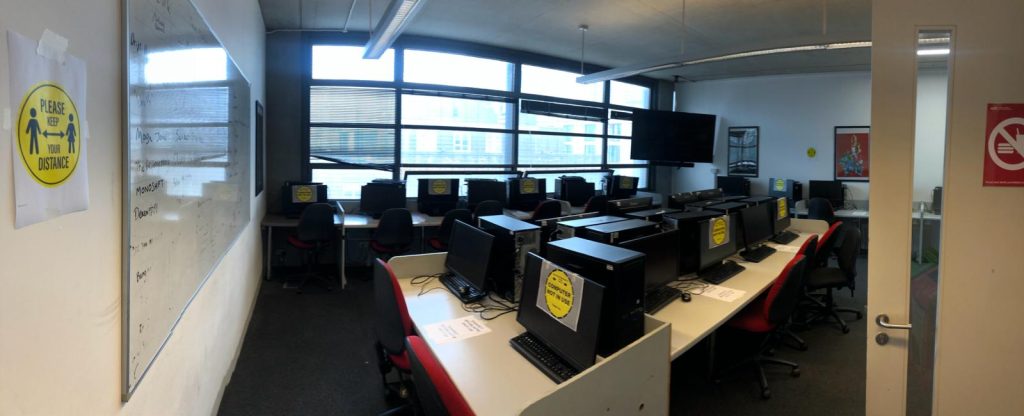
In conclusion, while online classes offer flexibility and continuity in emergencies, the spontaneous and community-driven aspects of in-person learning are hard to replicate. Online teaching can be effective when chosen voluntarily, but it lacks certain dynamics when it becomes the only option.
Reference:
Willcocks, J. and Mahon, K. (2023). The potential of online object-based learning activities to support the teaching of intersectional environmentalism in art and design higher education. Art, Design and Communication in Higher Education, 22(2), pp.187–207. doi:https://doi.org/10.1386/adch_00074_1.